Home · The stereoscope
A name from 1838
Wheatstone’s stereoscope
Charles Wheatstone’s paper was received and read on 21 June 1838. In it he gave his instrument a name, and he described the two mirrors that still explain the reflecting form of the device.
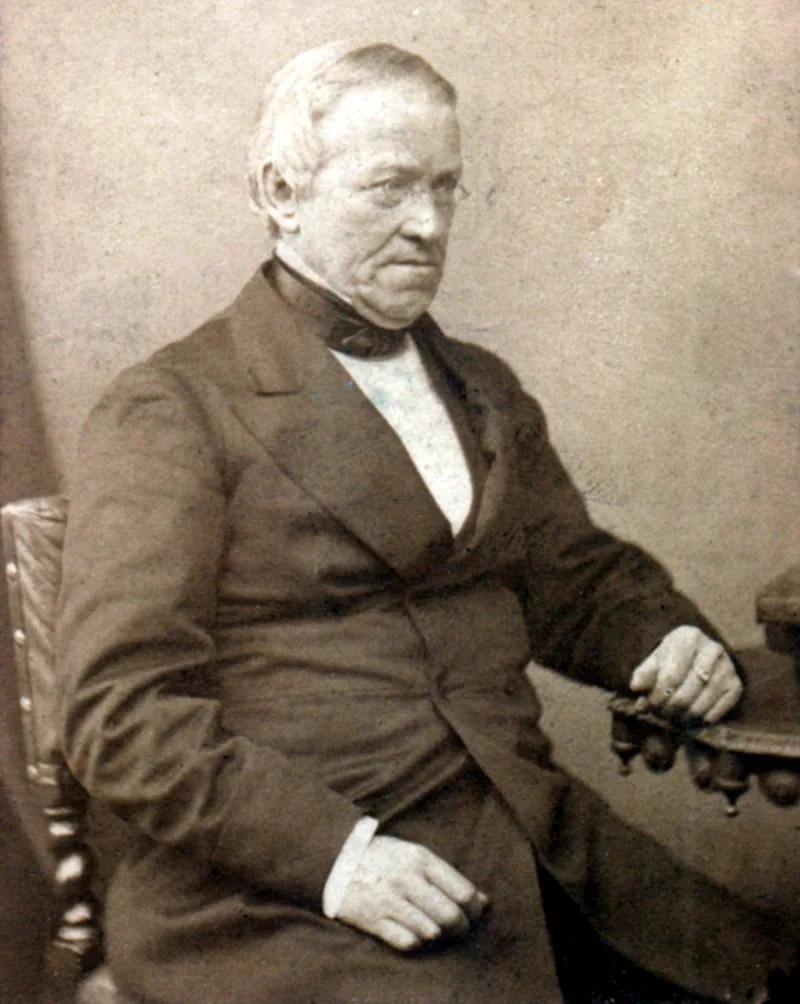
The frequent reference I shall have occasion to make to this instrument, will render it convenient to give it a specific name, I therefore propose that it be called a Stereoscope, to indicate its property of representing solid figures.
The wording is from the paper itself, which is in the public domain. He needed a specific name for frequent reference, and he proposed Stereoscope “to indicate its property of representing solid figures.” Encyclopaedia Britannica’s biography names the stereoscope among his inventions, and gives his dates as 6 February 1802, Gloucester, to 19 October 1875, Paris. That biography also names the concertina, “a type of small accordion,” and says the stereoscope is still used in viewing X-rays and aerial photographs. He was knighted in 1868. The biography does not give the years 1832 or 1838, and those years are not put into its mouth here. [source]
Two mirrors at a right angle
A A' are two plane mirrors, about four inches square, inserted in frames, and so adjusted that their backs form an angle of 90° with each other.
A Science Museum Group record for a reflecting stereoscope “originally used by Sir Charles Wheatstone” gives “c. 1850,” and also “1845-1855,” object number 1884-6. Those official date wordings are kept apart. Photographs on that museum page are not used here, because their licence is not one this site may use. [source]
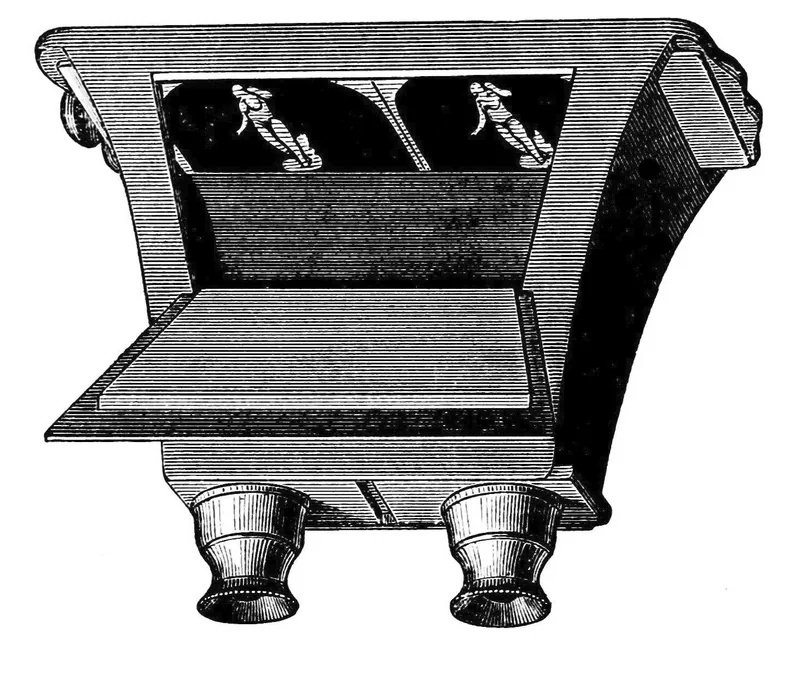
Other forms of the instrument followed. The illustration above was published in 1882, in Popular Science Monthly, volume 21, and is titled on the file “The Brewster stereoscope 1849.” The 1882 publication date and the 1849 file title are kept apart. It is an 1882 illustration, not a photograph of an instrument in 1849.
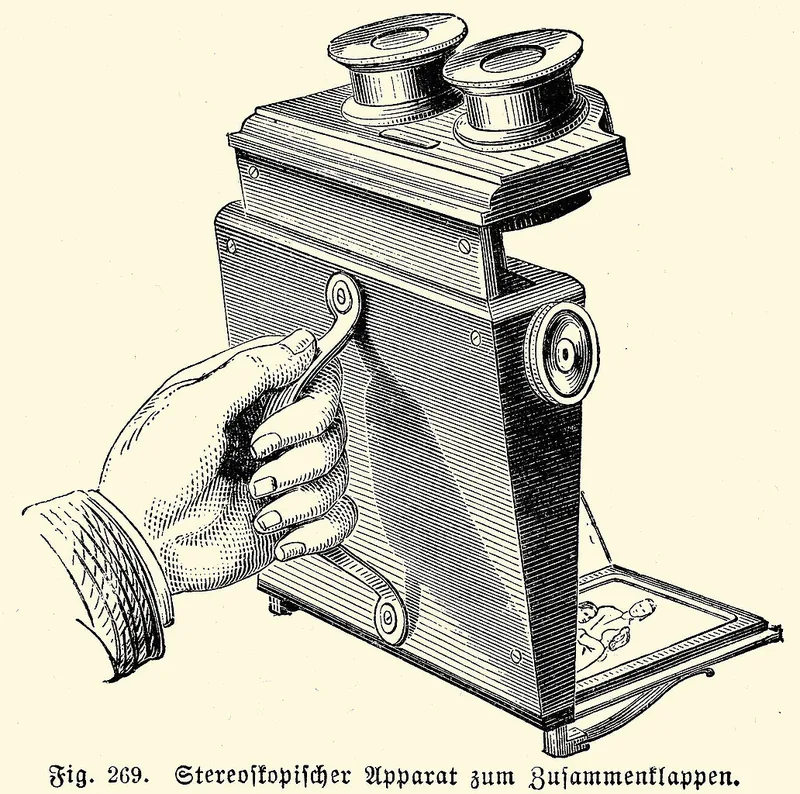
A later file shows a folding hand-held lenticular stereoscope, dated 1877, and adds the wording “David Brewster constr.” That file wording stays with the file. It is not treated as a claim that Brewster made the 1877 instrument.
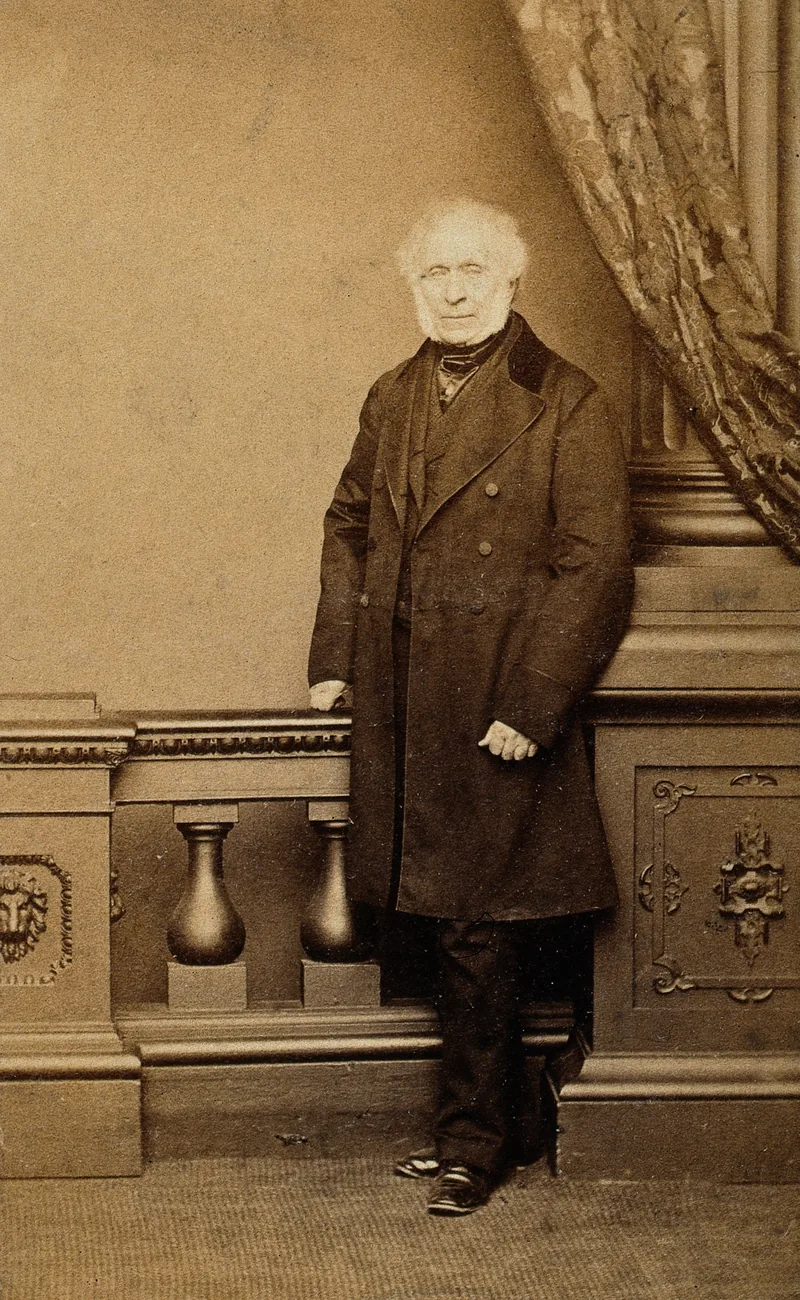
The portrait of Sir David Brewster, photographed by Mayall, is used from the Wellcome Collection under CC BY 4.0, on the website only. It is a portrait. It is not a picture of the 1877 folding viewer, or of the 1882 illustration.
Enjoyed this desk of two flat pictures that look solid?
No pop-ups. No intrusive advertising. Just interesting stuff. A little support helps the next illusions.im site get built.